A thoughtful landscape installation turns a yard into usable space, reduces maintenance headaches, and raises property value. In Greater Vancouver, where rainfall, mild winters, and compact urban lots shape choices, the right checklist keeps projects on time and on budget. Below I lay out practical steps, hard-earned trade-offs, and concrete decisions you should make before ground is broken. Whether you search "Landscaping near me" or you already have a quote from a firm like Luxy Landscaping, this guide will help you ask the right questions and avoid costly oversights.
Why this matters Vancouver's climate means water management and plant selection matter more than flashy ornamentation. A poorly planned slope, an underspecified irrigation system, or the wrong tree in a tight space creates trouble within a few seasons. Conversely, the right upfront choices save money on rework, reduce seasonal chores, and create a landscape that works with rain rather than against it.
Understand your site first Walk the property at different times of day and during a rainfall if you can. Note how sunlight moves across the site, where puddles form after a heavy shower, and which areas are windy because of street exposure or nearby gaps between buildings. In my experience, clients often underestimate microclimates: a narrow south-facing side yard can be several degrees warmer and much drier than the sheltered northwest corner. Measure slopes in both directions; a 2 percent slope across a patio will seem trivial on paper but will create a stream of runoff in a downpour unless you plan drainage.
Sewer and utility checks Call BC One Call or your local utility locator before you plan digging. You must know where water lines, gas, phone, and electrical conduits run. In denser Vancouver neighborhoods, utility maps can save you a four-figure repair bill and months of delay. If the property sits on a septic system or an older sewer line, get documentation from the city or hire a civil engineer to advise on setbacks and access.
Permits and bylaws to watch Most Vancouver properties require permits for retaining walls over a certain height, significant grade changes, and changes to impermeable surface area. If you plan hardscaping that alters runoff or increases paved area, factor permit timelines into your schedule. Vancouver occasionally adjusts bylaws related to tree protection as well. If a mature tree anchors the site, consult a certified arborist and the city before scheduling work.
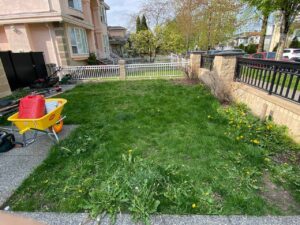
Soil and drainage Dig a few test holes to at least 300 mm depth in different parts of the yard. In Vancouver you can encounter a surprising variety of materials in a single lot: topsoil, silty loam, glacial till, and compacted fill. A contractor who charges to do soil tests will save you money when they discover buried concrete or organic-rich soil that needs replacement. Plan for subsoil drainage where the grade pinches water into low spots. French drains, dry creek beds, and linear weeps behind retaining walls are common solutions. Minor grading errors are the most frequent cause of rework I see on projects.
Plant selection for a Pacific Northwest palette Choose species suited for the maritime climate and resistant to summer droughts if you want lower maintenance. Native shrubs like salal and oemleria bring resilience and wildlife value. For street trees, consult the city list of approved boulevard species to avoid later conflicts with underground utilities and roots lifting sidewalks. Avoid planting large trees within three meters of foundations unless the species is known to be non-invasive. Think long term: a maple that promises shade in 15 years can overwhelm a small yard if planted too close to fences.
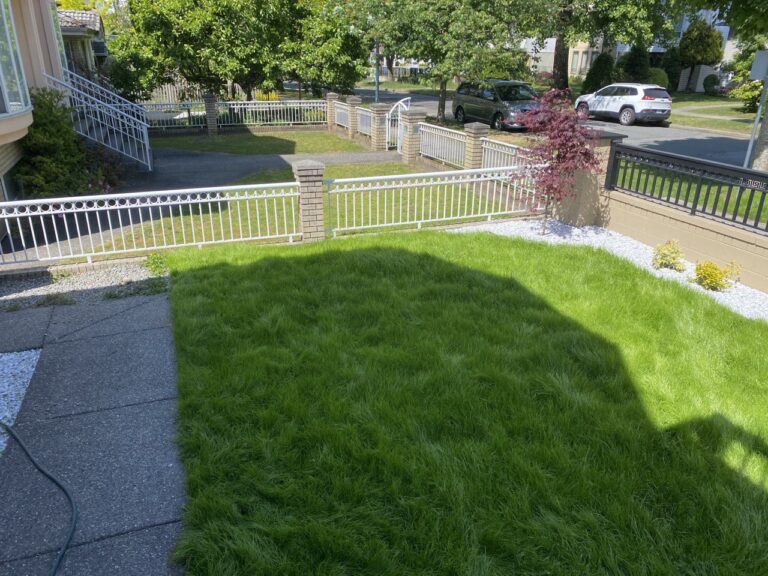
Hardscape choices and materials Pavers, natural stone, and exposed aggregate have different installation requirements and lifespans. Flagstone with a proper compacted base and jointing sand will last decades and tolerates freeze-thaw cycles. Concrete slabs need expansion joints and proper slope for drainage. If you plan to use reclaimed or salvaged materials, have a backup plan. Salvaged stone often looks great but can arrive with variable sizes and hidden flaws. For retaining walls, specify drainage behind the wall and use geo-textile fabric where appropriate.
Irrigation and water management In Greater Vancouver, designing for both wet winters and dry summers matters. A smart irrigation system with zone control makes sense if you have lawn and multiple plant types. Consider drip irrigation for shrub beds and smart controllers that adjust schedules based on recent rainfall. If water conservation is a priority, design beds with rain gardens or permeable paving that lets water recharge the soil. When installing irrigation, account for winterization: make sure main lines and backflow preventers are accessible for seasonal shutoff and blow-out.
Lighting and electrical Landscape lighting extends usable hours and highlights focal points, but poor placement creates glare rather than ambience. Use warm color temperatures for seating areas and cooler tones for security lighting. Run conduit for future additions even if you only install a few fixtures now. For electrical work near wet areas, insist on ground fault circuit interrupters and weatherproof enclosures.
Budget realistically and allow wiggle room A realistic landscape budget is often 7 to 12 percent of a home's value for high-quality installations, but for most Vancouver infill lots a better rule is to allocate between 8,000 and 50,000 CAD depending on scope. Small patio and planting packages might run under 10,000 CAD. Comprehensive yard rebuilds with retaining walls and full irrigation can approach 60,000 CAD or more. Include a contingency of 10 to 20 percent for unknowns like poor soil or unexpected grade changes. Remember that a lower initial budget can push maintenance costs up later.
Choosing a contractor and getting clear quotes A detailed written quote should break costs into clear line items: demolition, excavation, materials, plant stock, drainage, labor, and cleanup. Avoid vague quotes that lump everything into a single number. Check references and visit recent job sites if possible. A contractor who shows you photos of completed Vancouver projects and explains their approach to wet-season scheduling understands local conditions. If you search "Landscaping Services Greater Vancouver BC" or "Landscaping in Vancouver BC", compare at least three estimates to see commonalities and differences.
Essential pre-installation checklist
- Confirm utility locations with BC One Call and obtain any required locates. Secure permits for retaining walls, grade changes, or tree removals as required by the city. Conduct soil probes in several locations to 300 mm or deeper, note anomalies, and budget for soil remediation if needed. Finalize plant list with quantities and pot sizes, and verify availability with suppliers. Establish a clear timeline with milestones for demolition, rough grading, hardscape installation, planting, and irrigation testing.
Timeline expectations and weather planning Vancouver's rainy season transforms soil into peat in places and slows compaction work. Schedule heavy earthwork for the drier months between April and October if possible. That said, spring can be muddy, and summer heat spikes mean plants can suffer without adequate irrigation. A realistic timeline for a medium residential property often looks like this: one to two weeks for demolition and excavation, two to three weeks for hardscaping and retaining walls, one week for irrigation and electrical rough-in, and one to two weeks for planting and fine grading. Expect weather delays; factor at least an extra two weeks if your schedule is tight.
Dealing with slopes and retaining walls Slope decisions involve both structural needs and maintenance burdens. A steep slope left as planted turf will erode and require frequent reseeding, whereas terracing with retaining walls creates level usable space but raises costs. For any wall over 0.9 meters, engineering review and proper drainage are essential. Use granular backfill and perforated pipe at the base to prevent hydrostatic pressure. Facing materials like timber sleepers are cost-effective but have shorter lifespans in wet climates compared with masonry.
Planting techniques that last Install plants at the proper depth—too deep invites root rot, too shallow stresses plants. Amend planting holes with compost in heavy clay areas but avoid over-amending entire beds, which can create a honey pot effect for roots. Mulch suppresses weeds and conserves moisture; apply 50 to 75 mm depth, keeping mulch away from trunk collars to prevent rot. After planting, water deeply to settle soil, then follow a tapering schedule: daily for the first week if conditions are hot, then every two to three days for the first month, moving toward weekly deep waterings as plants establish.
Low-maintenance strategies that preserve value Xeriscaping with well-chosen drought-tolerant perennials reduces water and mowing. Replace some lawn with mixed-grass meadow or native groundcovers to cut mowing time. Use automatic timers tied to soil moisture sensors for lawn areas rather than static schedules. For high-traffic areas, opt for permeable paving systems that tolerate compaction and retain infiltration.
Lighting for function and mood I often recommend three lighting layers: ambient general lighting for gathering areas, task lighting for pathways and steps, and accent lighting for specimen trees or architectural features. Use transformer-based low-voltage systems for easier installation and maintenance. Test fixture placement at night before burying cable to avoid surprises.
Maintenance plan and handover A good contractor will provide a simple maintenance plan at project completion: a seasonal calendar describing irrigation adjustments, pruning windows for major shrubs, fertilizer timing if used, and when to check drainage. If you buy a maintenance package from a local company, confirm frequency and scope. Some homeowners assume landscaping companies will handle pruning of mature trees; that usually requires a separate arborist contract and can be expensive.
Common problems and how to avoid them Planting a large evergreen too close to a foundation, failing to install drainage behind a retaining wall, and skimping on base compaction for pavers are recurring issues. When I inspect failed projects, the root cause is often a single early compromise: cost-cutting on base material, skipping proper permits, or poor plant selection. Address these items early and they rarely resurface.
Sustainability and environmental considerations Consider integrating a rain garden to capture roof runoff, or cisterns to harvest water for irrigation. Permeable paving reduces stormwater burden and can be mandatory in some areas if you increase impermeable coverage. Favor native and non-invasive species to support local pollinators and reduce maintenance. If you plan lighting, use timers or motion sensors to reduce nocturnal light pollution.
When to involve specialists Call a geotechnical engineer if the site shows signs of instability or if you plan major grade changes. Hire an arborist before any work near mature trees. If the city indicates potential daylighting of streams or historical features, involve environmental consultants early. For irrigation designs that tie into domestic water supplies, a certified irrigation designer or plumber can ensure compliance and efficiency.
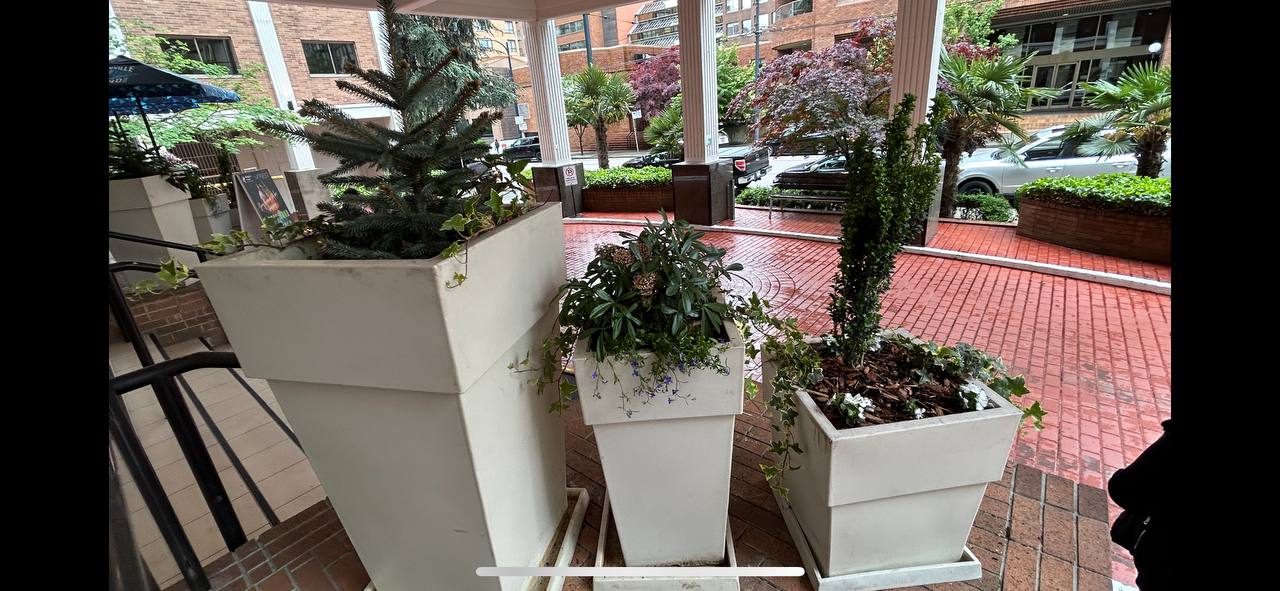
Working with neighborhood constraints In Vancouver row houses, narrow back lanes, and shared access create logistic challenges. Plan for staging; determine where materials and equipment will sit and whether the contractor needs temporary permission from the city for parking or skip bins. If neighbors share fences or hedges, clarify ownership and responsibility in writing before altering boundary plantings.
A practical example: small-yard transformation A client in Kitsilano wanted a functional backyard for entertaining without losing green space. We removed a failing lawn, installed a 25 square meter compact patio with permeable pavers, added rain garden strips to capture roof runoff, and planted a mix of native shrubs and a small Japanese maple. Total cost came in around 28,000 CAD, including irrigation and lighting. The trade-offs were clear: less lawn meant lower maintenance and better stormwater handling, but the family traded open play space for intimate, usable social area.
Final decisions before signing a contract Before committing, confirm these items in writing: scope of work, materials and plant species with sizes, payment schedule, timeline with allowances for weather, who handles permits, and cleanup expectations. Retainholdage terms are common — 5 to 10 percent of the contract held until final inspection is reasonable. Make sure warranties for hardscape work, irrigation, and plant material are documented.
Seasonal maintenance snapshot
- Spring: inspect drainage, set irrigation schedules for warming temperatures, prune dead wood, and top up mulch. Summer: monitor irrigation closely, especially after transplanting, and check for pests or fungal disease during wet spells. Fall/winter: winterize irrigation, clear gutters and drains, and plan any pruning for dormant season.
Landscaping services and local help If you search "Landscaping in Vancouver BC" or "Landscaping near me", expect to find firms specializing in Northwest plant palettes and wet-weather construction techniques. Discuss with any prospective contractor how they handle rainy-day scheduling, and whether they provide a written maintenance plan. A local name like Luxy Landscaping might appear in searches; use the checklist above to compare their proposals objectively.
Making the final call A well-run landscape installation reflects deliberate choices: the right plants for the microclimate, thought-out drainage, a realistic budget, and clear timelines. Prioritize soil and drainage questions early. Insist on a written specification that covers materials, plant sizes, and responsibilities for permits. With careful planning, your Vancouver yard will be resilient, low-maintenance, and expressive of how you want to use outdoor space.
If you keep the checklist and seasonal notes here in mind, you can evaluate bids more confidently, spot potential problems early, and ensure https://s3.us-east-005.dream.io/landscaping-in-vancouver-bc/landscaper/benefits-of-professional-landscaping-in-vancouver-bc.html the finished landscape delivers value for years.
Luxy Landscaping
1285 W Broadway #600, Vancouver, BC V6H 3X8, Canada
+1-778-953-1444
[email protected]
Website: https://luxylandscaping.ca/